

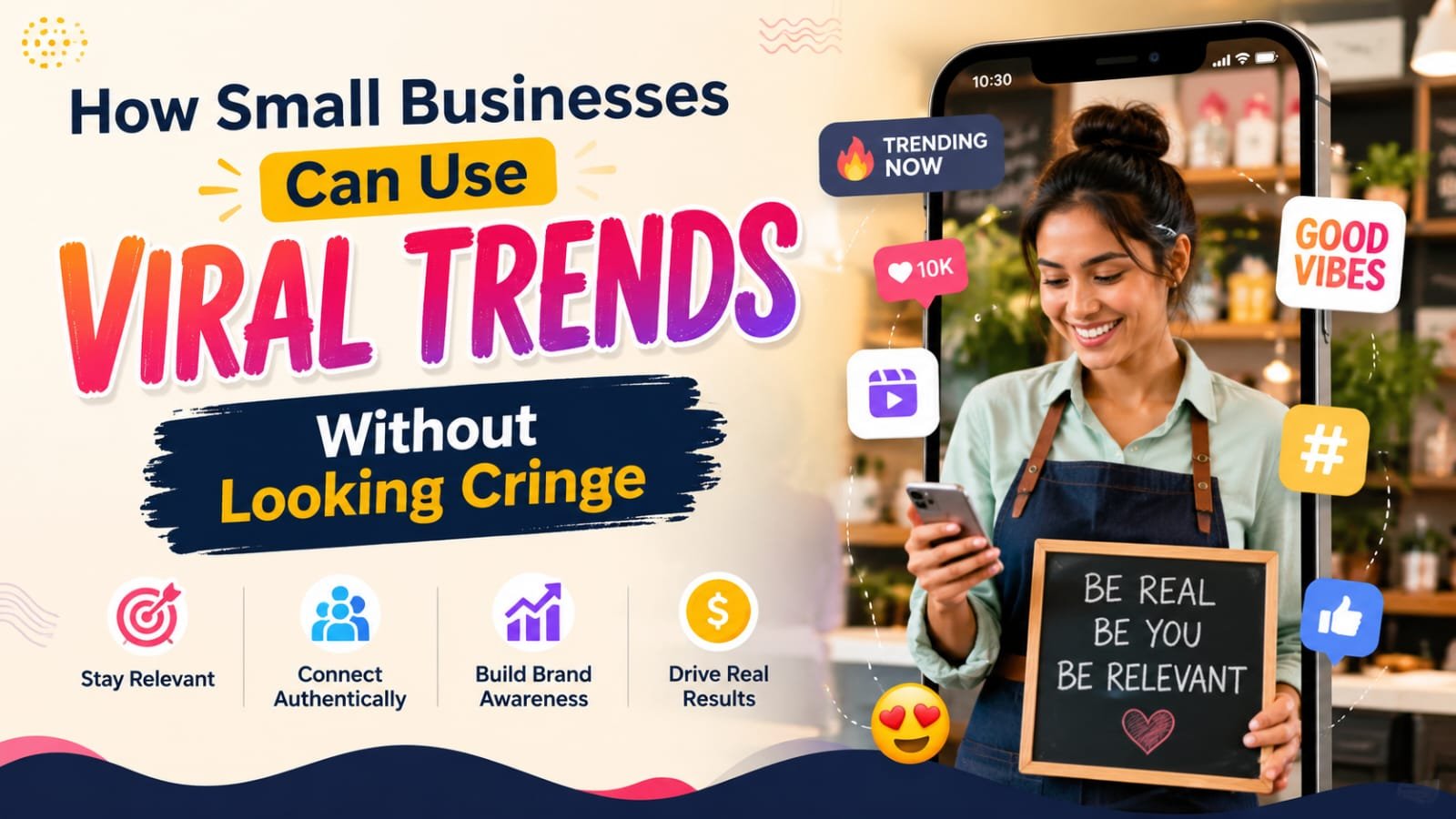
Going viral sounds simple.
Popular audio A meme that is popular. A challenge that went viral. A brief social media update. But for businesses, sometimes mindlessly following trends can cause more harm than good. Customers are smarter, 2026. When a brand is only trying to jump on a trend to garner attention, they can see right through it. “Successful online brands aren’t the ones chasing every trend. They’re the ones who adapt trends in a natural way while staying true to who they are.”🔥 What Is Trend-Based Marketing?
Trend-based marketing is riding the wave of popular online conversations, formats, memes, sounds and cultural events to generate content that hits home with your audience. Businesses build upon current attention rather of having to create content from start every time, adding their own brand perspective. Such as:- Popular Instagram Reel formats
- Viral audio reimaginings
- Popular meme
- Chats on the Internet
- Seasonal moments…
- Current affairs
🚀 2026: The Importance of Viral Trends for Small Businesses
Big brands with deeper marketing pockets often battle against small firms. Trending content provides smaller firms with the ability to:- Grow in front of new audiences naturally.
- Enhance brand recognition
- Post related content
- Increase social media engagement
- Create a more powerful online persona
🎯 The Secret Don’t Follow Trends Learn Them
One of the biggest mistakes that businesses do is to imitate viral content without knowing the reason behind its popularity. Before you use a trend, ask:- Is this on-brand for my brand’s personality?
- Will my customers get it?
- Yes, you can contribute something unique.
- Is it entertaining, valuable or emotional?
💡 7 Viral Marketing Hacks for Small Businesses
1. Convert Trending Sounds into Your Brand Narrative
Don’t just use a viral audio clip. Add a business-oriented spin. Example: Instead than just using a trending audio: ❌ “This audio is trending” Design: ✅ “What clients think before hiring a digital marketing agency” Your audience cares about the trend.2. Use “POV” Content Format
POV (Point of View) videos are still doing well because they’re personal. Examples of- “POV: You have finally found a website developer who understands your vision”
- “POV: Your business gets its first reel to go viral”
3. Make Learning Content Enjoyable
People want knowledge, not just They want to see the information they like to see. Merge:- Marketing tips + jokes
- Industry stories + stats
- Business tips + popular forms
4. React fast to the right trends
Timing counts. One trend can be out of sight in days. Businesses should establish mechanisms to:- Watch for hot topics on
- Viral Content Track Formats
- Adapt fast
- Publish as long as there is interest
5. Use Behind the Scenes Content
People love to see the true side of business. Create content on:- Team time!
- Work environment
- Creative process
- The before and after transformations
- Success Stories of Clients
6. Add Local Character
The advantage of small firms is connectivity. Local trends, humour and community-focused content can generate higher engagement. Businesses people can relate to are easier to remember.7. Develop Your Own Mini Trends
The biggest brands don’t just jump on trends. They do them. Give it a try:- A unique sequence of content
- A branded challenge.
- An ongoing Reel format
- A signature look
⚠️ Viral Marketing Mistakes That Businesses Should Avoid
Not all trends are worth hopping on. Do not:- ❌ Using all the viral memes
- ❌ Copying your competitors
- ❌ Posting trends that have no relation to the brand
- ❌ Not following the brand values
- ❌ Trying to be too young
- ❌ Making jokes that the audience don’t get
📱 2026 Viral Content Predictions
Social networking is becoming more community centred. The material that will win in the future will be:- Authentic story
- short video
- AI-aided creativity
- Interactive content
- Customer interaction
- Real-world business experiences
📊 The Power of Viral Content for Business Growth
A well thought-out viral strategy can assist companies:- Boost visibility
- Engage with potential consumers
- Increase brand awareness
- Encourage engagement
- Establish emotional bonds
